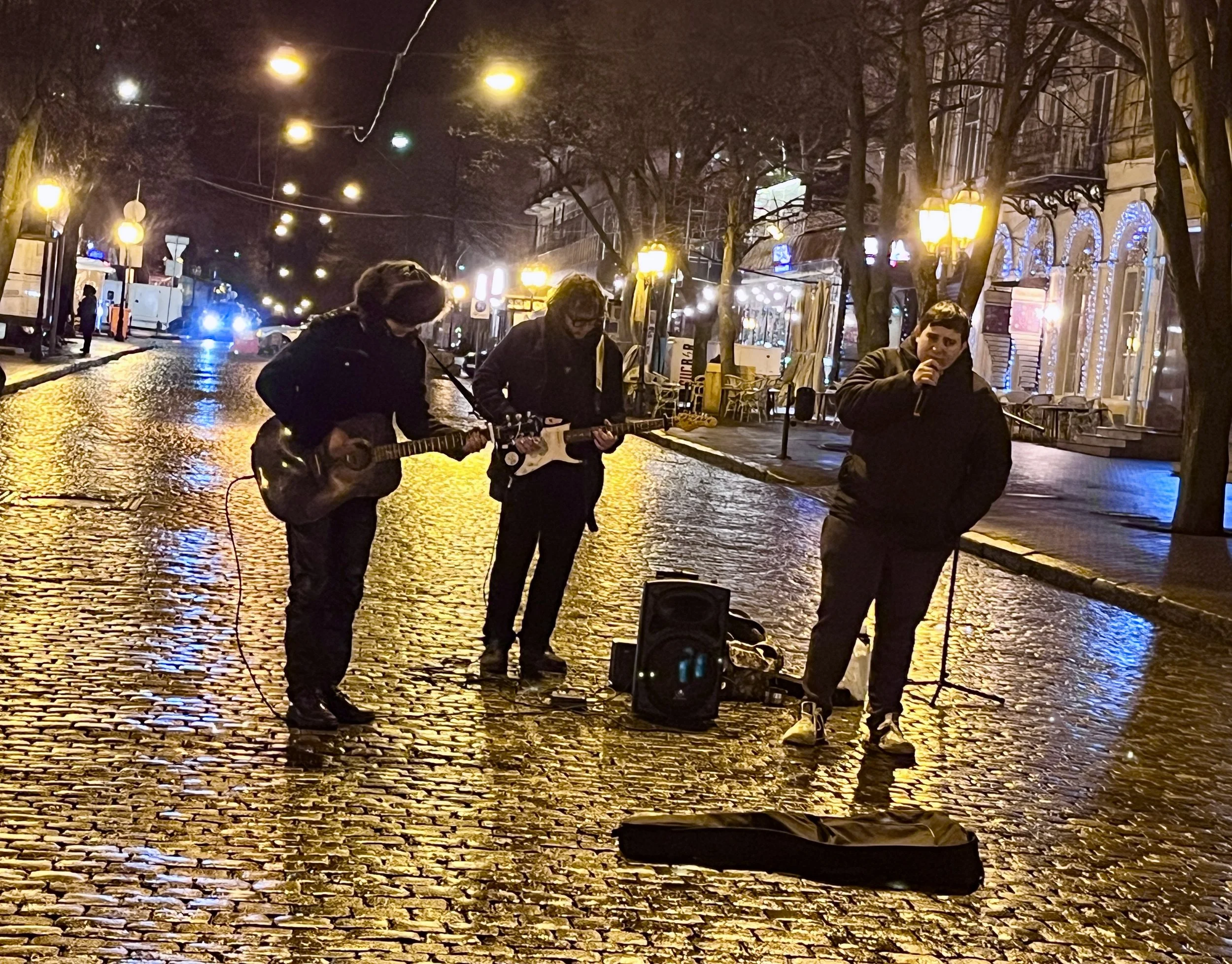
Two months ago, in December, it seemed like I was hearing the same story everyday about the war in Ukraine.
‘More Russian bombs have fallen on Ukraine’s largest cities, killing and wounding civilians while leaving tens of thousands without power and heat.’
Then video showing an apartment building with a burning black hole from a missile or drone, firemen with hoses, people standing on the street in winter clothing wondering what to do, where to go.
Then the story ends with the statement, ‘Peace talks are ongoing,’ like an Orwellian Groundhog’s Day.
So I went to Ukraine to talk to the civilians who have become targets in this war. I chose the city of Odesa because it’s the country’s last port on the Black Sea, and Putin has said he wants it—that Odesa has always been part of Russia, just like the Crimean Peninsula and the Donbass region, which he took in 2014.
It’s been four years since Russian full-scale invasion of Ukraine in February of 2022. During these four years the United States has given Ukraine 175 billion dollars, an average of 44 billion a year, in military and economic assistance. This year, 2026, the US cut the funding by 99 percent, down to 400 million, like we are saying ‘So long, best of luck.’
I expected people in Odesa to be upset with the United States, but I was wrong. The people I met there were still desperately wanting the United States to help end the war, not even close to believing they’ve been abandoned.
This story is about what it’s like to live in Odesa during war time.
(If you are looking at this on a podcast app, the donate button won’t work. Please go to homebrave.com.)
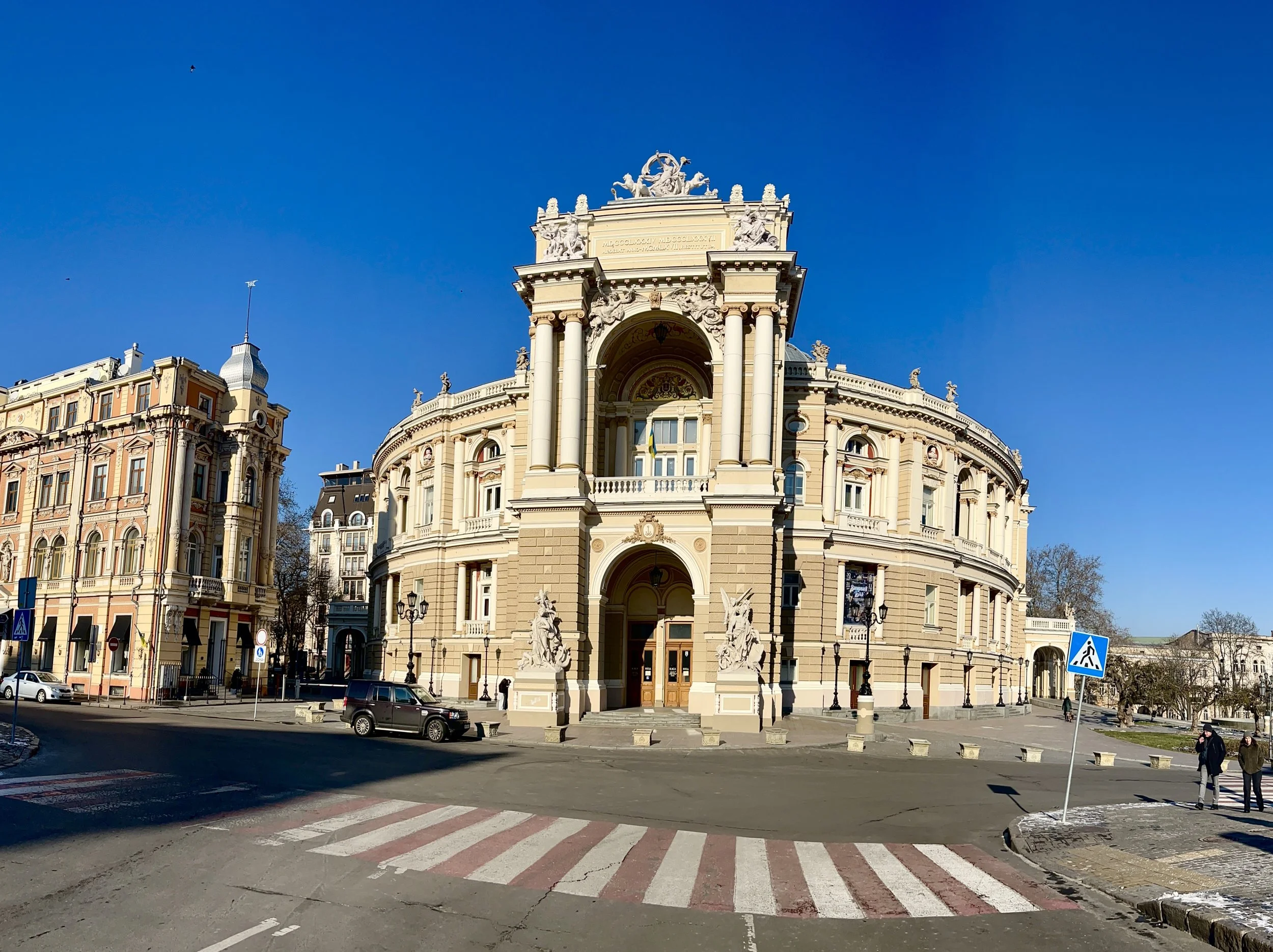
The Odesa National Opera and Ballet Theater
Here are some links to the people who talked to me for this story:

Performance of “Carmen” by Georges Bizet
Thanks to Jenny Ament for helping me mix and edit this story.
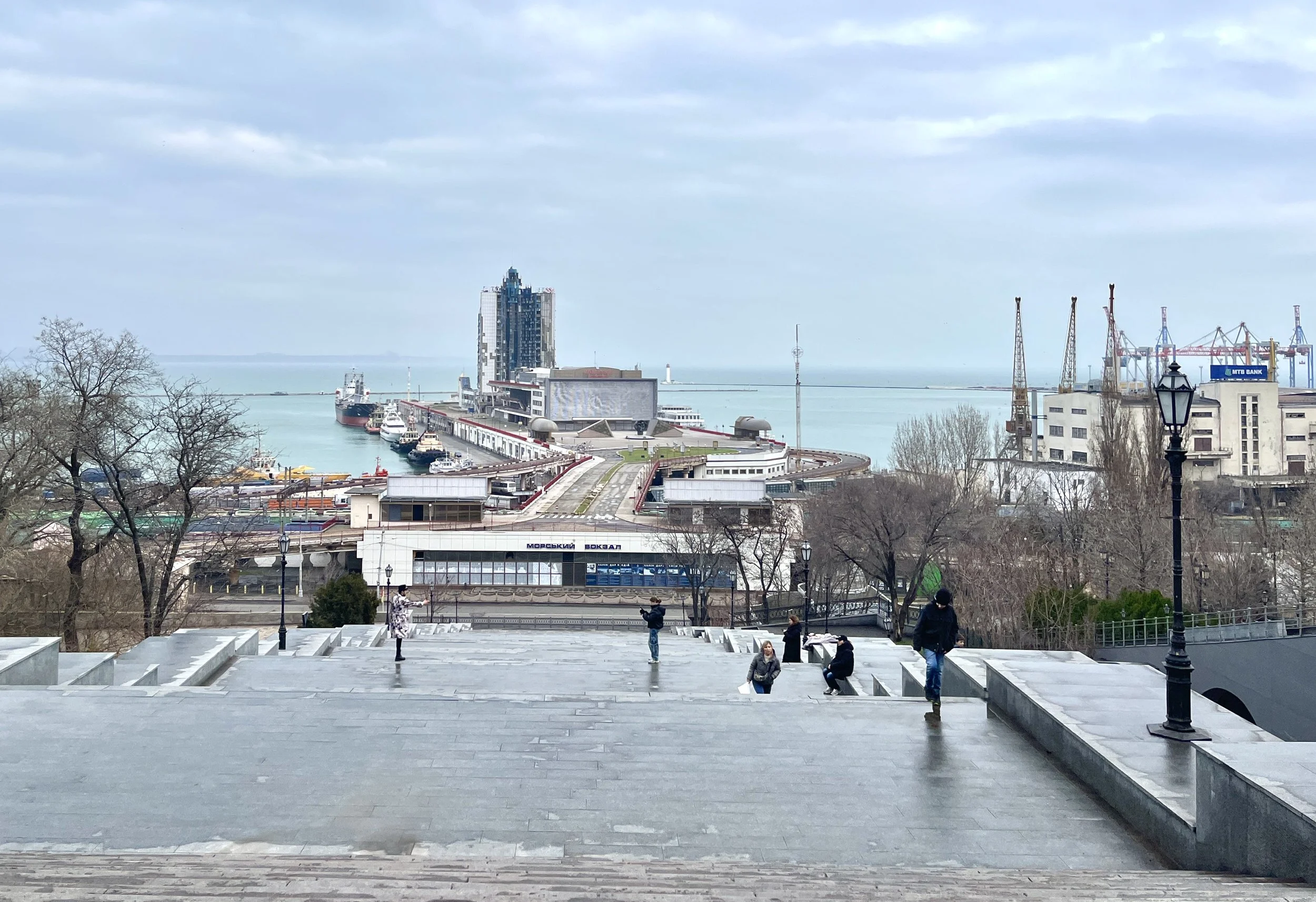
The Odesa Steps, looking south to the Black Sea.
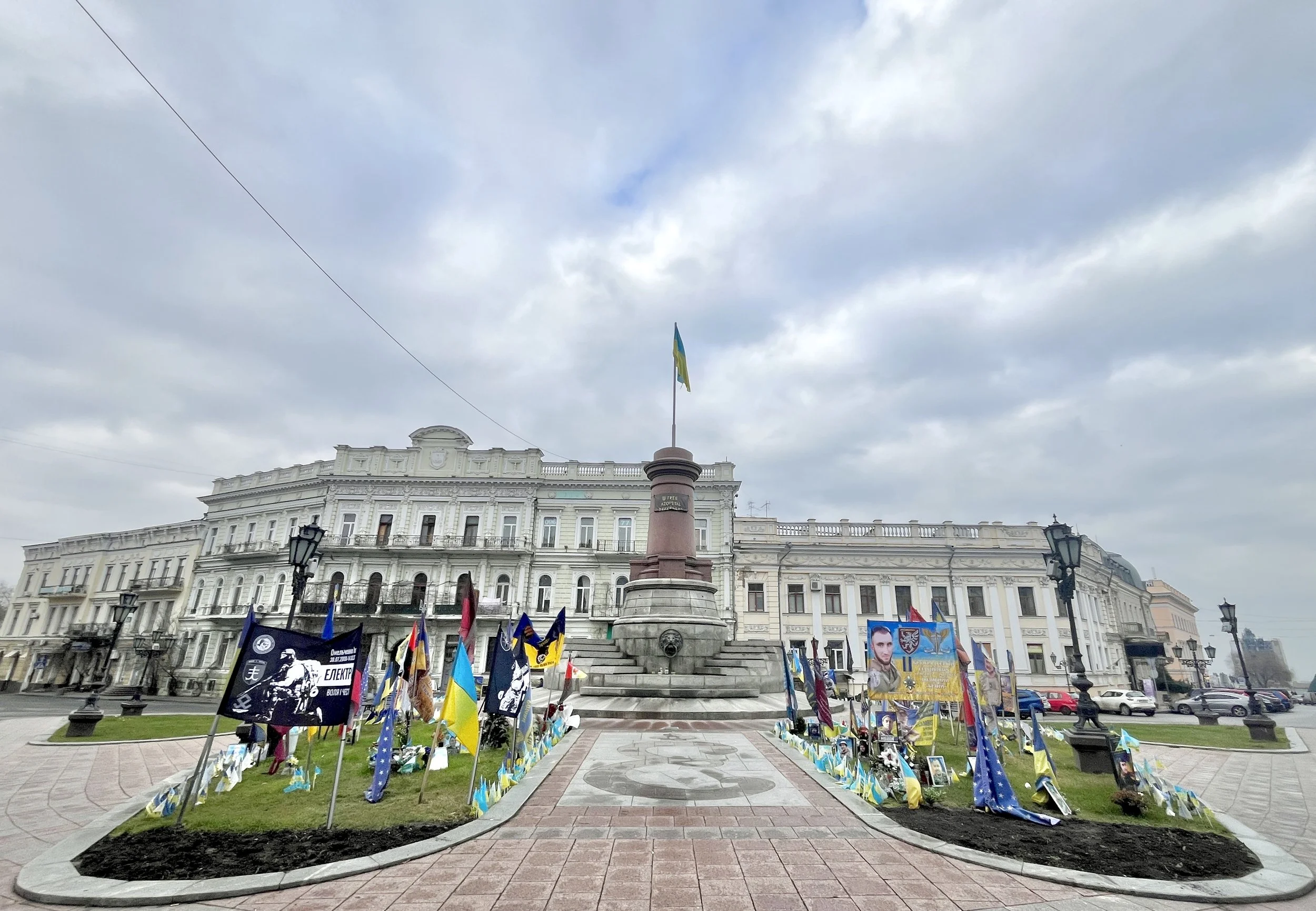
There used to be a statue of Catherine the Great here, but it was removed in 2022. Now the monument is a war memorial for fallen soldiers.
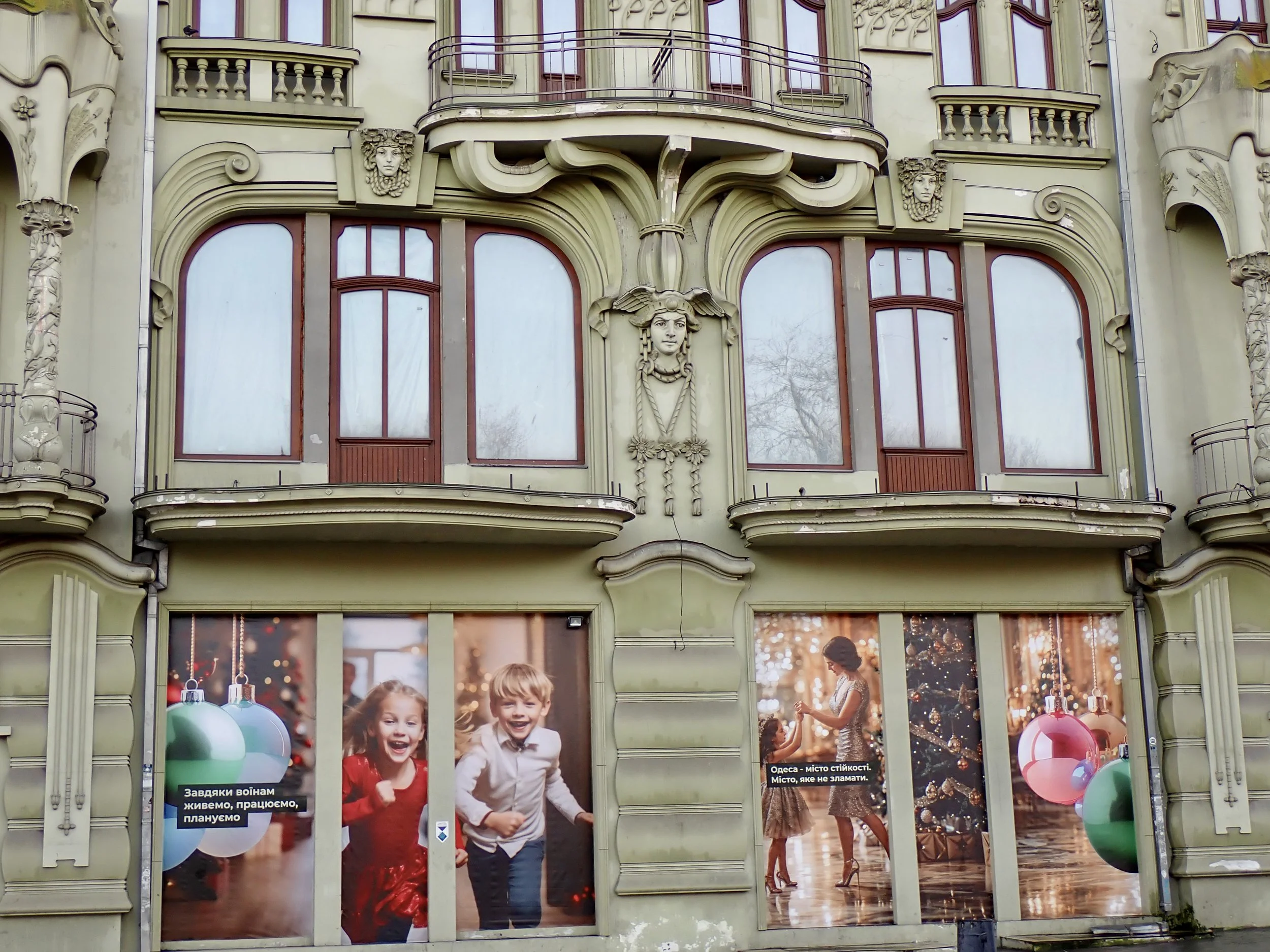
Store front on Deribas Street.
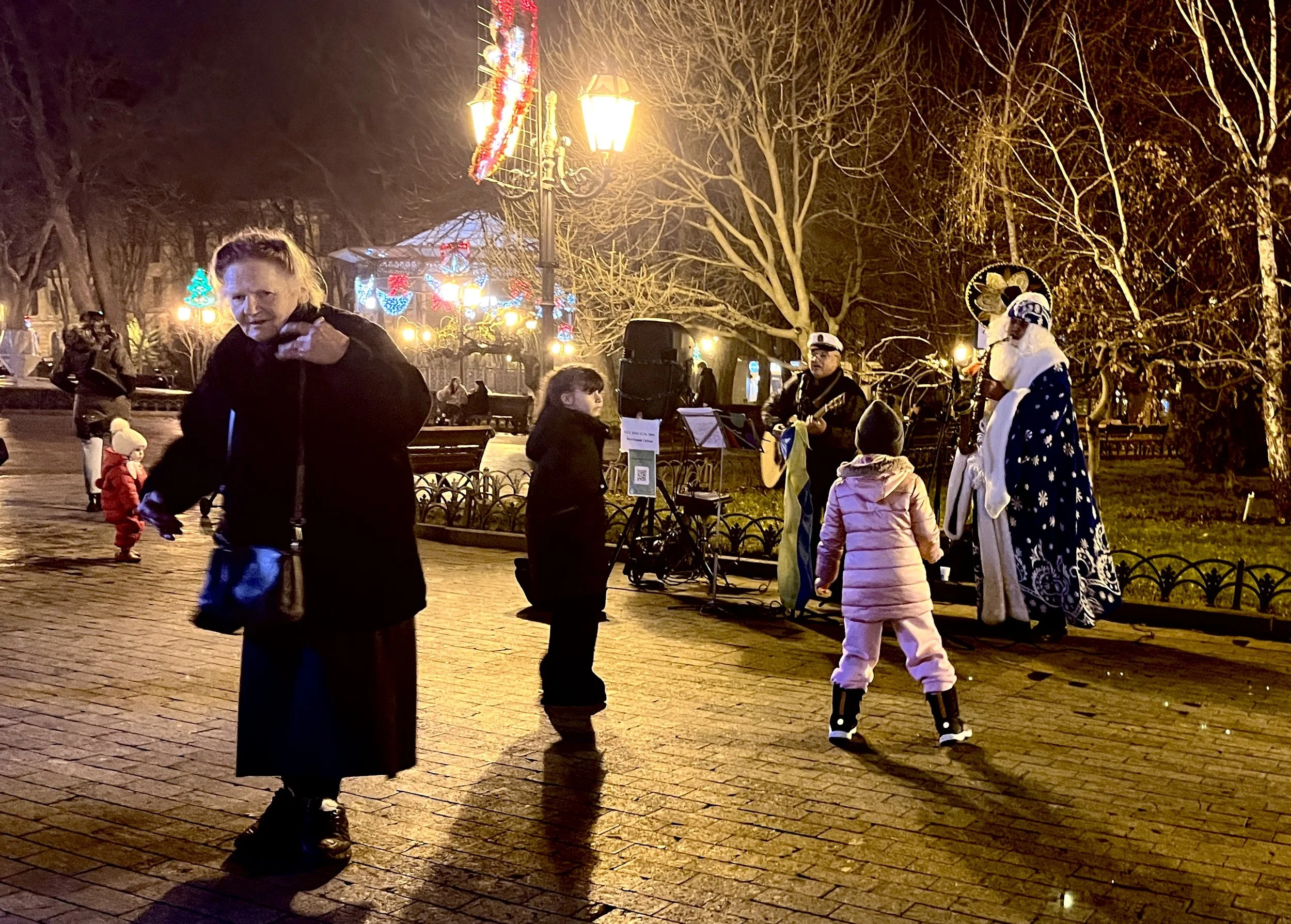
The City Park on Deribas Street
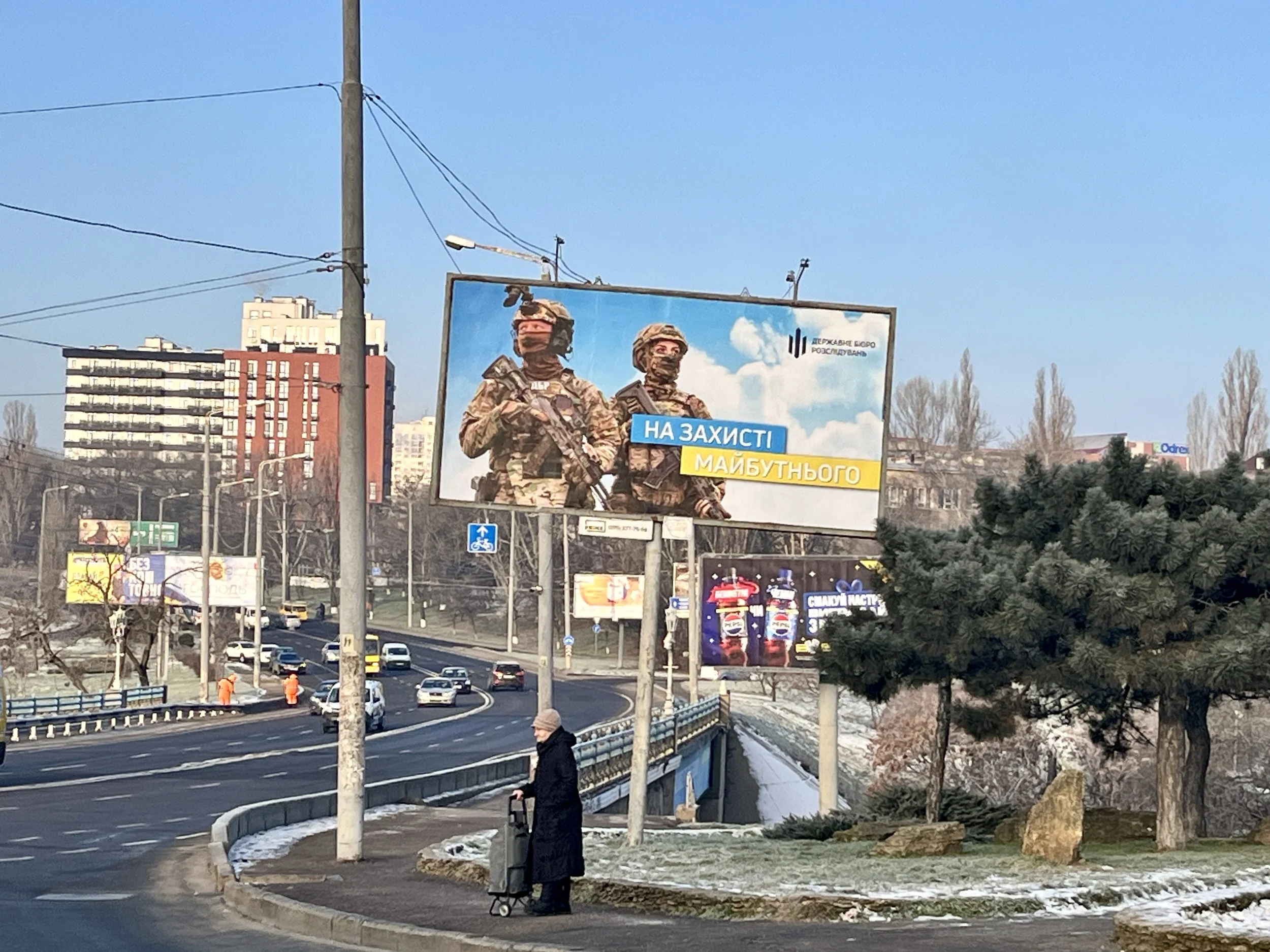
A mile outside the center of the city.

At the entrance to the Opera House
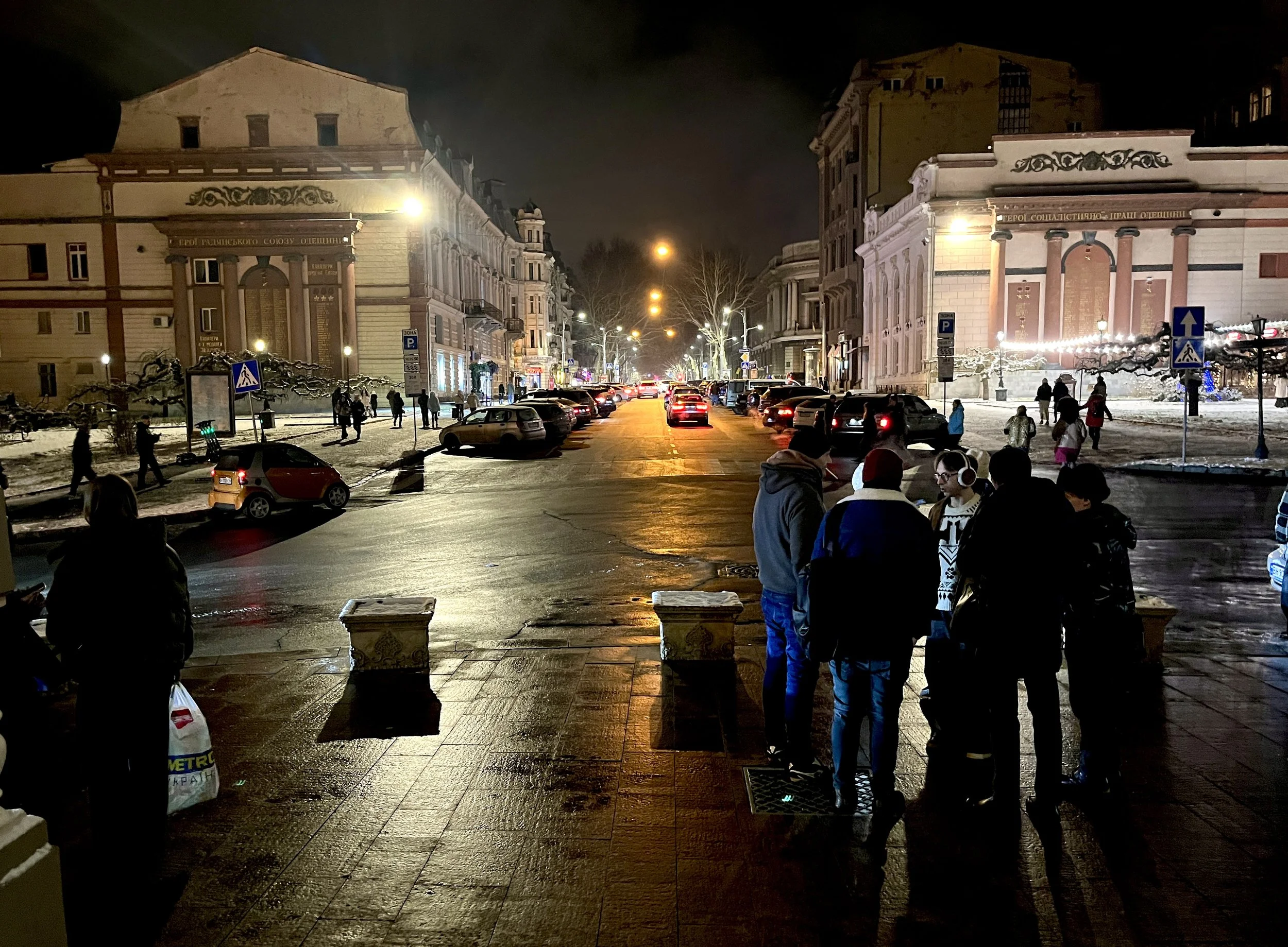
City Center
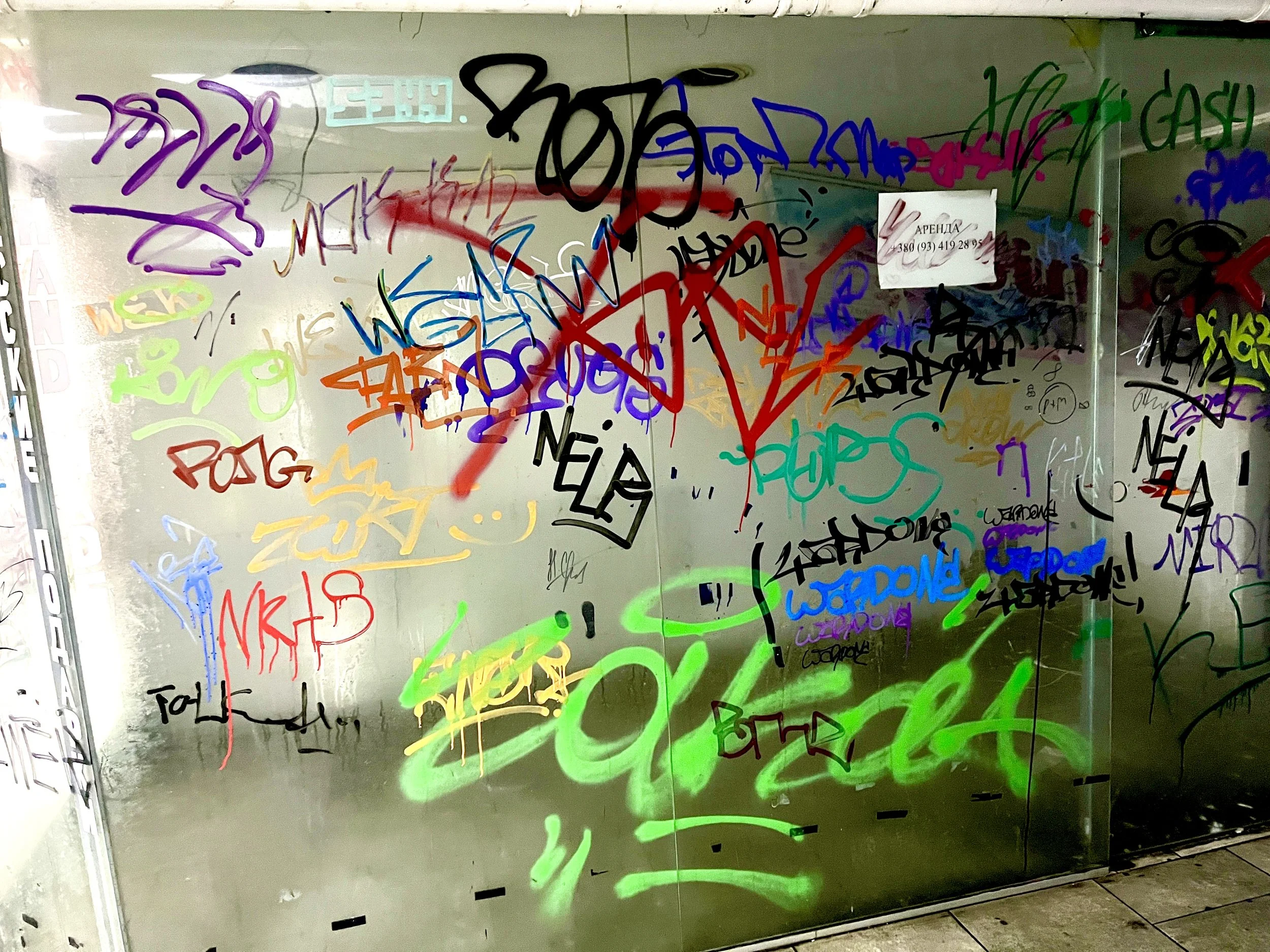
In a walkway under a busy street
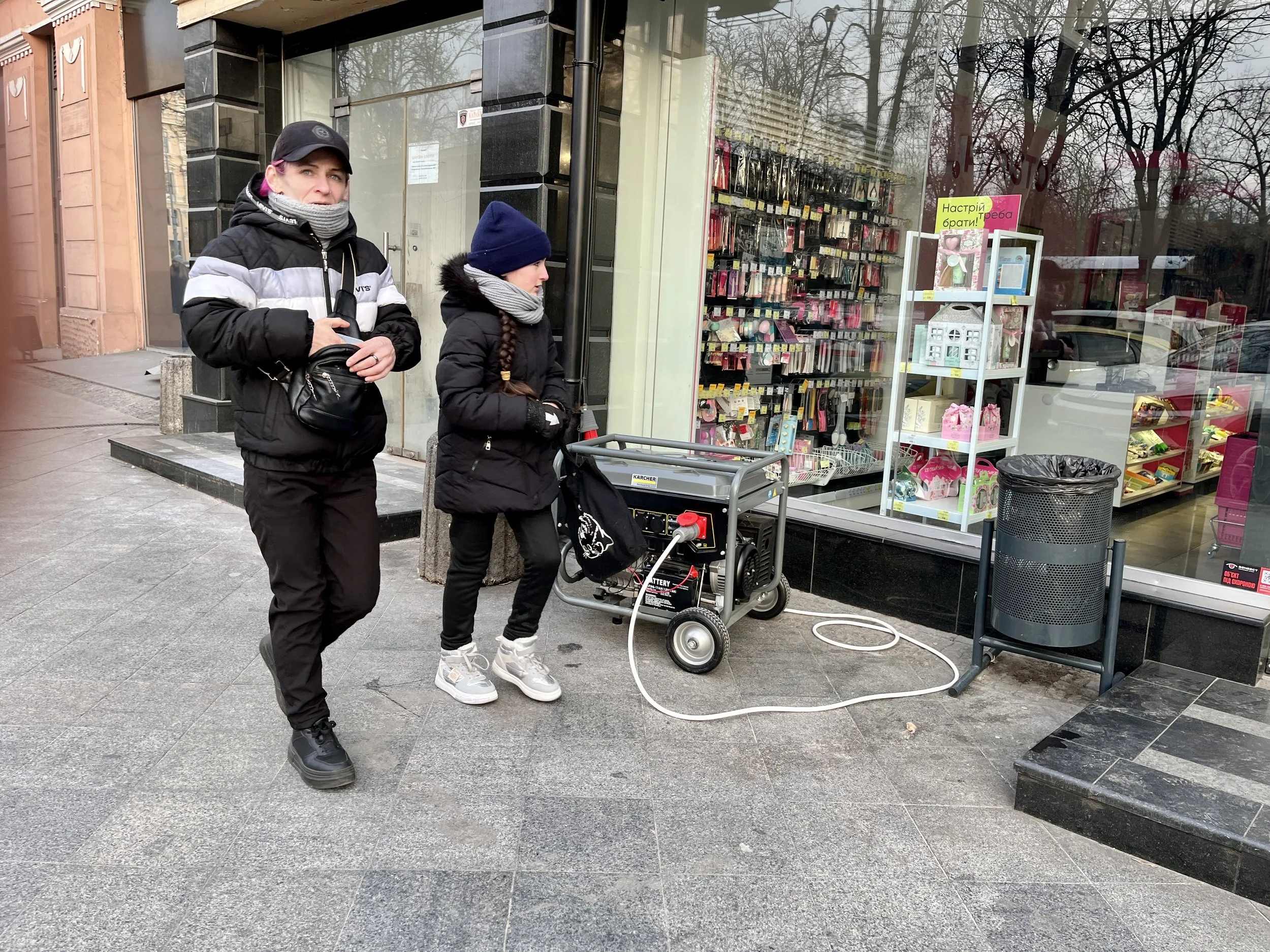
Most stores and shops in Odesa have generators for emergency power.